


Reusable products are often marketed as eco-friendly, but not all of them deliver meaningful impact. The most effective reusable products are those that replace items used frequently and thrown away regularly. When chosen wisely, these products can significantly reduce waste and improve everyday routines.

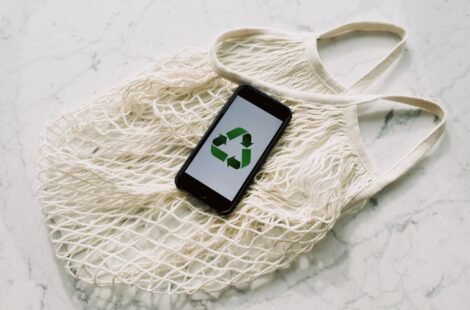
Reusable shopping and produce bags are among the most impactful swaps. Plastic bags are used once and discarded, yet they take years to break down. Durable reusable bags eliminate this waste and are easy to keep on hand. Over time, they prevent hundreds of plastic bags from entering the environment.

In the kitchen, reusable food storage solutions make a noticeable difference. Silicone covers, beeswax wraps, and glass containers replace cling film and disposable plastic bags. These alternatives are washable, long-lasting, and better for food preservation.

Cleaning tools are another overlooked category. Reusable cleaning cloths, washable mop heads, and long-lasting scrubbers reduce the need for disposable wipes and paper towels. These products are not only eco-friendly but also more cost-effective over time.

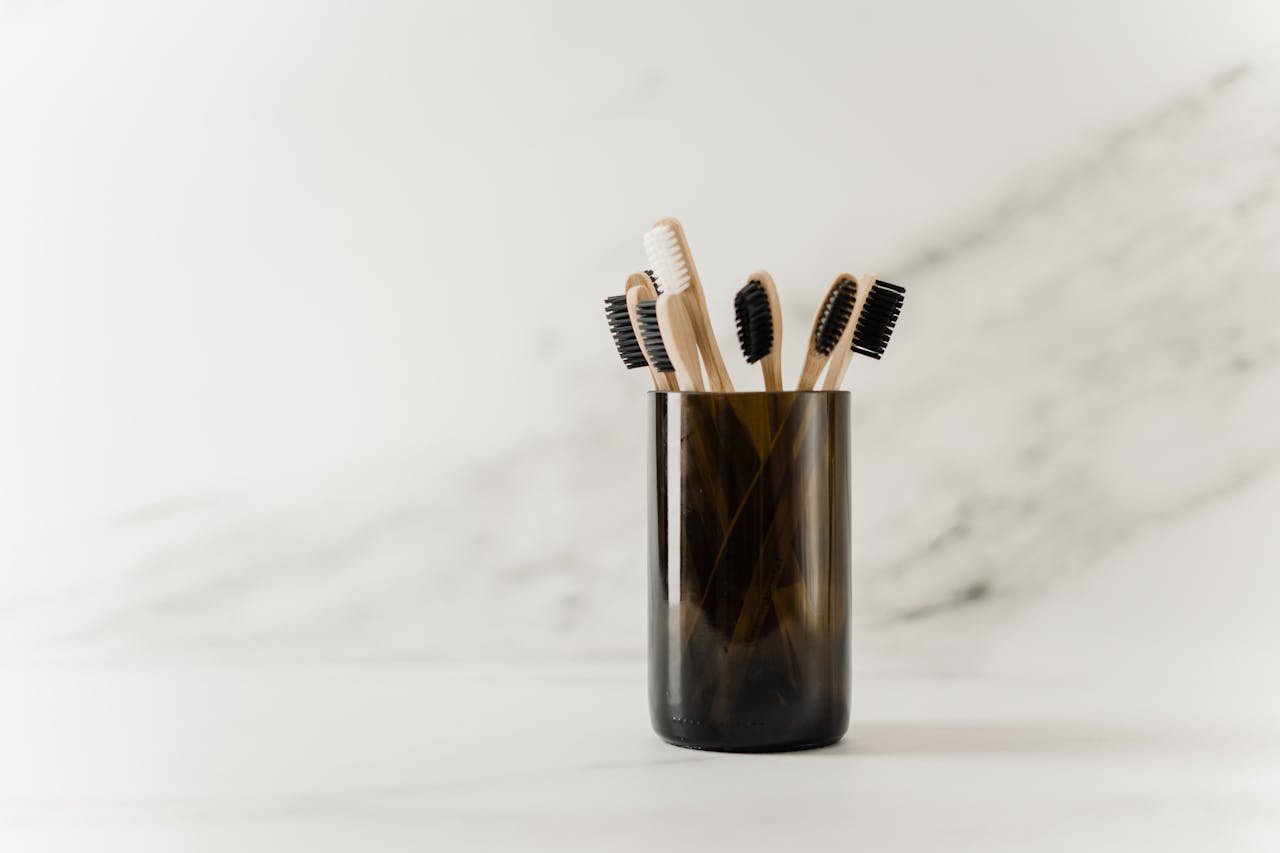
Personal care items offer simple but powerful changes. Reusable cotton pads, bamboo toothbrushes, and refillable soap dispensers reduce plastic waste without affecting daily routines. These swaps require minimal adjustment but deliver long-term benefits.

The key to successful reuse is durability. A reusable product must be strong enough to replace dozens or even hundreds of disposable items. Cheap alternatives that break easily defeat the purpose. Quality materials matter.

Reusable products make a difference because they align convenience with responsibility. They fit seamlessly into everyday life while reducing environmental impact. Choosing the right reusable items is not about sacrifice. It is about smarter design and better habits.

When reuse becomes the default, waste naturally decreases. These small, consistent choices create lasting change, proving that sustainability can be both practical and effective.

Creating a sustainable home does not require a complete overhaul of your lifestyle. Small, thoughtful changes can make a meaningful difference over time. The key is to focus on practical steps that reduce waste, conserve resources, and promote healthier living environments.

One of the easiest places to start is the kitchen. Single-use plastics are common here, from food packaging to disposable storage items. Switching to reusable containers, silicone food covers, and cloth produce bags can significantly reduce daily waste. These products are easy to maintain and often more durable than their disposable counterparts.

Cleaning routines also present an opportunity to go greener. Many conventional cleaners contain strong chemicals that can harm indoor air quality and waterways. Natural cleaning products, reusable scrubbers, and refillable spray bottles offer effective alternatives without unnecessary toxins. Even simple tools like compostable sponges and microfiber cloths help cut down waste.

Bathrooms are another area where sustainability can be improved. Bamboo toothbrushes, reusable cotton pads, and refillable dispensers are small swaps that reduce plastic consumption. These products perform just as well as traditional options while being more environmentally responsible.

Storage and organization matter too. Sustainable storage solutions made from glass, metal, or bamboo last longer and reduce dependency on plastic bins that degrade over time. Choosing quality materials also creates a cleaner, more intentional living space.

Energy and water conservation should not be ignored. While product choices play a role, daily habits matter just as much. Turning off unused lights, fixing leaks, and using energy-efficient appliances all contribute to a lower environmental footprint.

Sustainability is about progress, not perfection. A sustainable home evolves over time as habits change and awareness grows. Each eco-friendly product added to your home replaces something disposable or harmful.

By making conscious choices, households can reduce waste, save money, and create healthier living environments. Sustainability begins at home, one decision at a time.

Sustainability is no longer a niche lifestyle choice. It has become a practical response to growing environmental challenges that affect how we live, consume, and plan for the future. Eco-friendly products play a key role in this shift because they allow individuals to reduce their environmental impact without sacrificing convenience or quality.

Traditional consumer products often rely on plastic, harsh chemicals, and resource-intensive manufacturing processes. These materials contribute to pollution, landfill overflow, and long-term damage to ecosystems. Eco-friendly alternatives are designed to address these problems by using biodegradable materials, renewable resources, and safer production methods.

One of the biggest benefits of eco-friendly products is waste reduction. Reusable bags, containers, and household items replace single-use plastics that typically end up in oceans or landfills. Over time, these small changes add up. A household that switches to reusable products can significantly cut down its annual waste output.

Health is another important factor. Many conventional cleaning and personal care products contain chemicals that may irritate skin, affect indoor air quality, or create long-term health concerns. Eco-friendly products often use plant-based or non-toxic ingredients, making them safer for families, pets, and sensitive environments.

Cost savings are often overlooked. While some eco-friendly items may have a slightly higher upfront cost, they are typically designed to last longer. Reusable kitchen tools, durable bamboo products, and refillable containers reduce the need for constant repurchasing, saving money over time.

Eco-friendly products also support ethical manufacturing. Many sustainable brands focus on fair labor practices and responsible sourcing. By choosing these products, consumers indirectly encourage better working conditions and more transparent supply chains.

Making the switch does not require drastic lifestyle changes. Starting with simple swaps like reusable shopping bags, bamboo toothbrushes, or natural cleaning products can create momentum. As awareness grows, so does the ability to make smarter purchasing decisions.

Eco-friendly products matter because they empower individuals to take responsibility for their choices. Every purchase sends a signal. Choosing sustainable alternatives helps protect natural resources, reduce pollution, and create demand for better products. The future of responsible consumption starts with the choices we make today.